

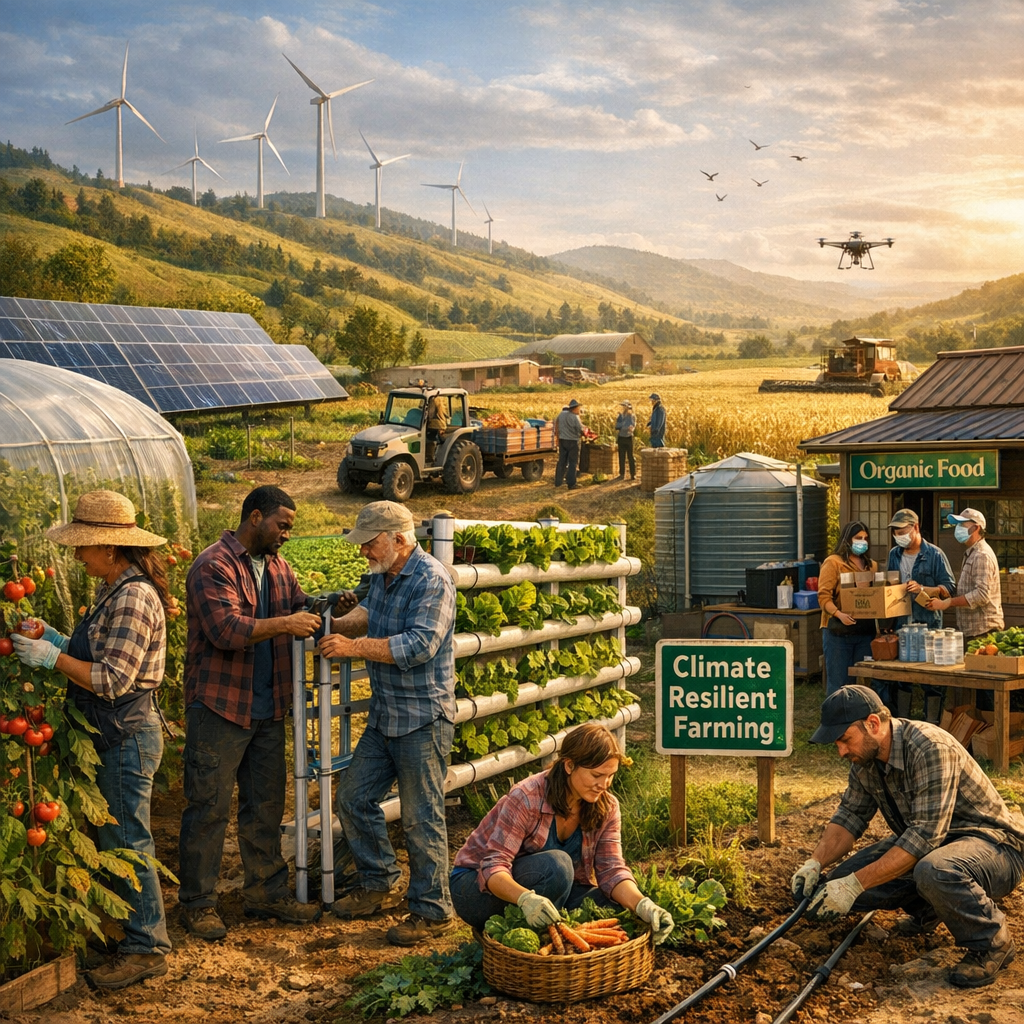
In our interconnected world, events occurring thousands of miles away can have profound effects on rural communities like Lanesboro, Minnesota. Understanding these global influences is crucial for building resilience and ensuring the sustainability of our local livelihoods.
Global Conflicts and Food Security
International conflicts can disrupt global supply chains, leading to increased costs for essential agricultural inputs. For instance, recent conflicts in the Middle East have caused significant disruptions in the supply of fertilizers and fuels, which are vital for farming operations worldwide. These disruptions expose the vulnerabilities in our global food system and highlight the need for local adaptive practices to maintain food security.
Climate Change and Rural Livelihoods
Climate change poses a significant threat to rural areas, affecting agriculture, water resources, and overall community well-being. Extreme weather events, such as droughts and floods, have become more frequent and severe, leading to crop failures and loss of livestock. These challenges underscore the importance of developing climate-resilient agricultural practices and infrastructure to support rural communities.
Health Crises and Vulnerable Populations
Global health crises often disproportionately affect marginalized and rural populations. Limited access to healthcare facilities, economic constraints, and social factors can exacerbate the impact of diseases in these communities. Strengthening healthcare infrastructure and ensuring equitable access to medical resources are essential steps in mitigating these effects.
Building Resilience in Rural Communities
To navigate the challenges posed by global events, rural communities must focus on building resilience through various strategies:
- Diversifying Economies: Encouraging local entrepreneurship and supporting small businesses can reduce dependence on a single industry and create a more robust local economy.
- Investing in Infrastructure: Developing and maintaining infrastructure, such as roads, communication networks, and healthcare facilities, enhances the community’s ability to respond to external shocks.
- Promoting Sustainable Practices: Implementing sustainable agricultural and environmental practices can help mitigate the effects of climate change and preserve natural resources for future generations.
- Fostering Community Engagement: Strengthening social networks and encouraging community participation in decision-making processes can lead to more effective and inclusive solutions to local challenges.
By understanding the interconnectedness of global events and local realities, communities like Lanesboro can proactively address challenges and seize opportunities to thrive in an ever-changing world.