

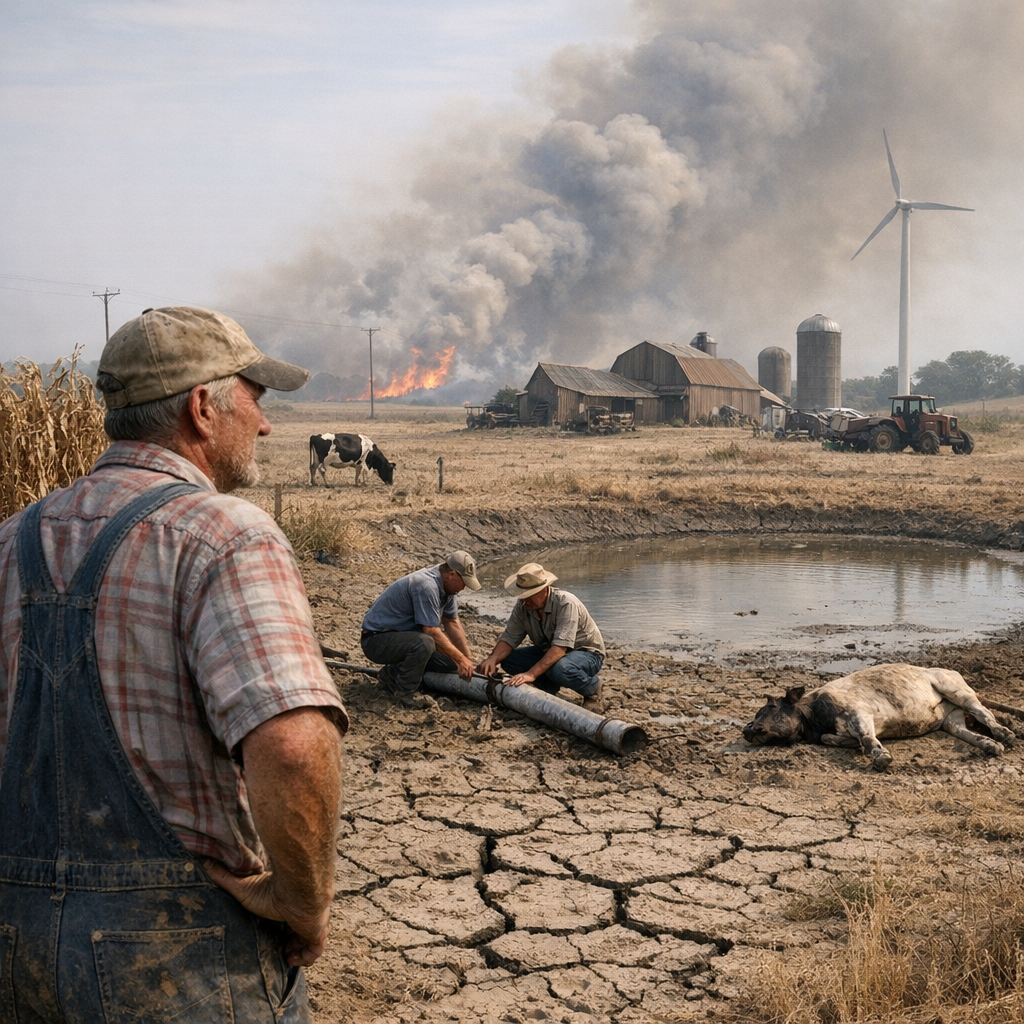
In our interconnected world, events unfolding thousands of miles away can have profound effects on local communities, including rural towns like Lanesboro, Minnesota. Understanding these global influences is crucial for building resilience and ensuring the sustainability of our local economies and lifestyles.
Climate Change and Environmental Challenges
Climate change is a pressing global issue with direct repercussions for rural areas. Unpredictable weather patterns, such as out-of-season storms and prolonged droughts, have become more frequent, posing significant challenges to agriculture and livestock production. These environmental shifts threaten the livelihoods of farmers and can lead to increased economic vulnerability in rural communities.
Global Conflicts and Supply Chain Disruptions
International conflicts can disrupt global supply chains, affecting the availability and cost of essential goods. For instance, conflicts in key regions have led to interruptions in the supply of fertilizers and fuel, which are critical for agricultural operations. Such disruptions can result in higher production costs for farmers, potentially leading to increased prices for consumers and economic strain on rural economies.
Health Crises and Their Ripple Effects
Global health crises, such as pandemics, often disproportionately impact marginalized and rural communities. Limited access to healthcare infrastructure, economic hardships, and social isolation can exacerbate the effects of such crises. Additionally, the spread of diseases can disrupt local economies, particularly those reliant on agriculture and small businesses.
Building Resilience in Rural Communities
To mitigate the impacts of global events, rural communities can adopt several strategies:
- Diversifying Economies: Encouraging a mix of agricultural and non-agricultural activities can reduce dependence on a single industry and enhance economic stability.
- Investing in Infrastructure: Improving transportation, communication, and healthcare infrastructure can enhance connectivity and access to essential services.
- Promoting Sustainable Practices: Implementing environmentally friendly farming techniques and renewable energy sources can reduce vulnerability to climate change and supply chain disruptions.
- Strengthening Community Networks: Building strong local networks can foster mutual support and resource sharing during times of crisis.
By staying informed about global events and proactively implementing adaptive strategies, rural communities like Lanesboro can navigate the challenges posed by an interconnected world and work towards a sustainable and resilient future.