

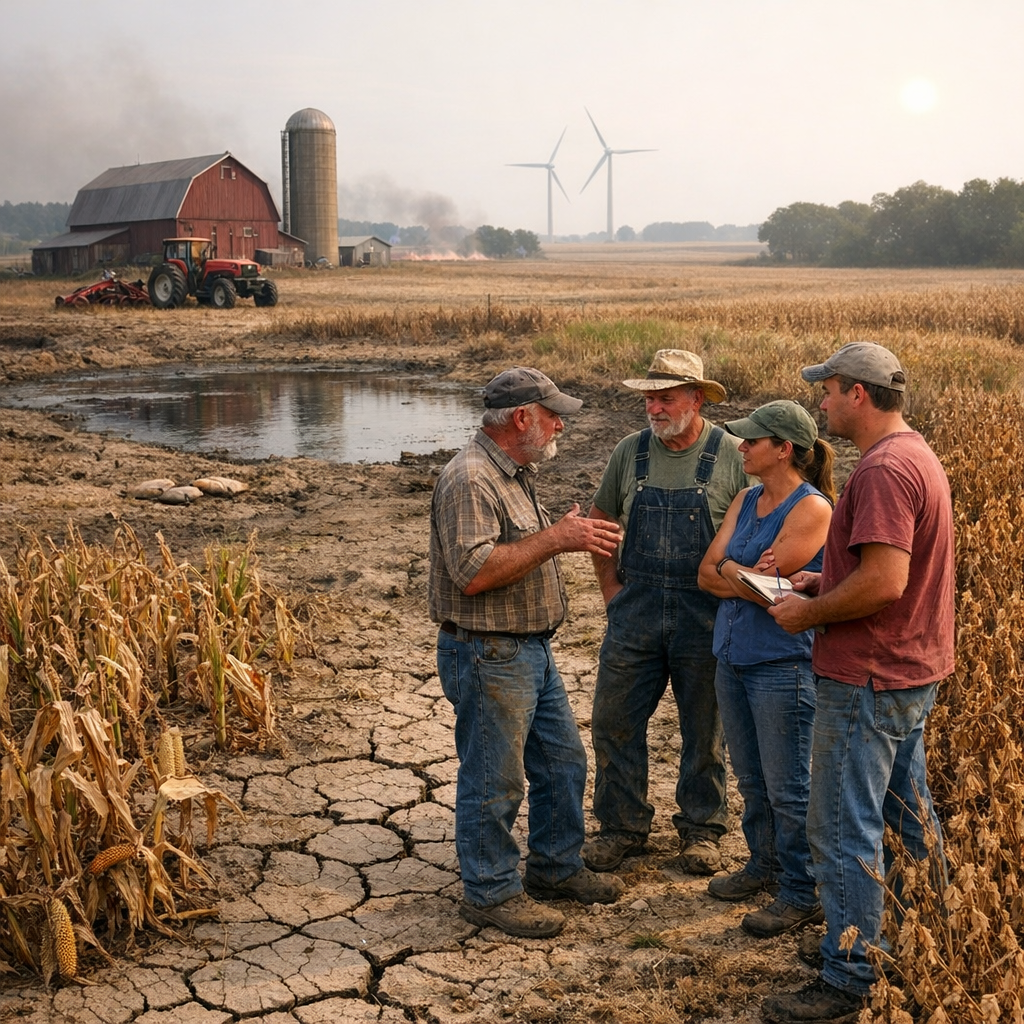
In our interconnected world, global events often have far-reaching effects, including on rural communities such as Lanesboro, Minnesota. Understanding these impacts is crucial for fostering resilience and sustainability.
Climate Change and Agriculture
Climate change poses significant challenges to agriculture, a cornerstone of rural economies. Increased frequency of droughts, floods, and extreme weather events disrupt crop yields and livestock health. For instance, the United Nations Convention to Combat Desertification (UNCCD) reports that in developing countries, agriculture absorbs up to 80% of all direct impacts from drought, threatening food security and livelihoods. While Lanesboro may not face the same severity, local farmers are not immune to these global trends, experiencing unpredictable weather patterns that affect planting and harvesting schedules.
Global Supply Chain Disruptions
International conflicts and economic disruptions can ripple through global supply chains, affecting the availability and cost of essential goods. The International Fund for Agricultural Development (IFAD) highlights that conflicts, such as those in the Middle East, have led to severe disruptions for small-scale producers worldwide, exposing vulnerabilities in global food systems. For Lanesboro, this could translate into higher prices for farming inputs like fertilizers and equipment, as well as increased costs for consumers purchasing imported goods.
Health Crises and Rural Vulnerability
Global health crises, such as pandemics, often disproportionately affect rural areas due to limited healthcare infrastructure. The World Economic Forum notes that marginalized communities bear the brunt of escalating global health crises, with factors like poverty and displacement exacerbating vulnerabilities. In Lanesboro, access to healthcare services may be more limited compared to urban centers, making preparedness and community health initiatives vital.
Building Resilience in Rural Communities
To mitigate these global impacts, rural communities can adopt several strategies:
- Diversifying Economies: Encouraging local businesses and alternative industries can reduce dependence on agriculture alone.
- Investing in Infrastructure: Enhancing healthcare facilities, internet connectivity, and transportation can improve access to services and markets.
- Community Engagement: Fostering strong community networks can enhance information sharing and collective problem-solving.
By staying informed about global events and proactively addressing potential challenges, communities like Lanesboro can strengthen their resilience and continue to thrive in an ever-changing world.