

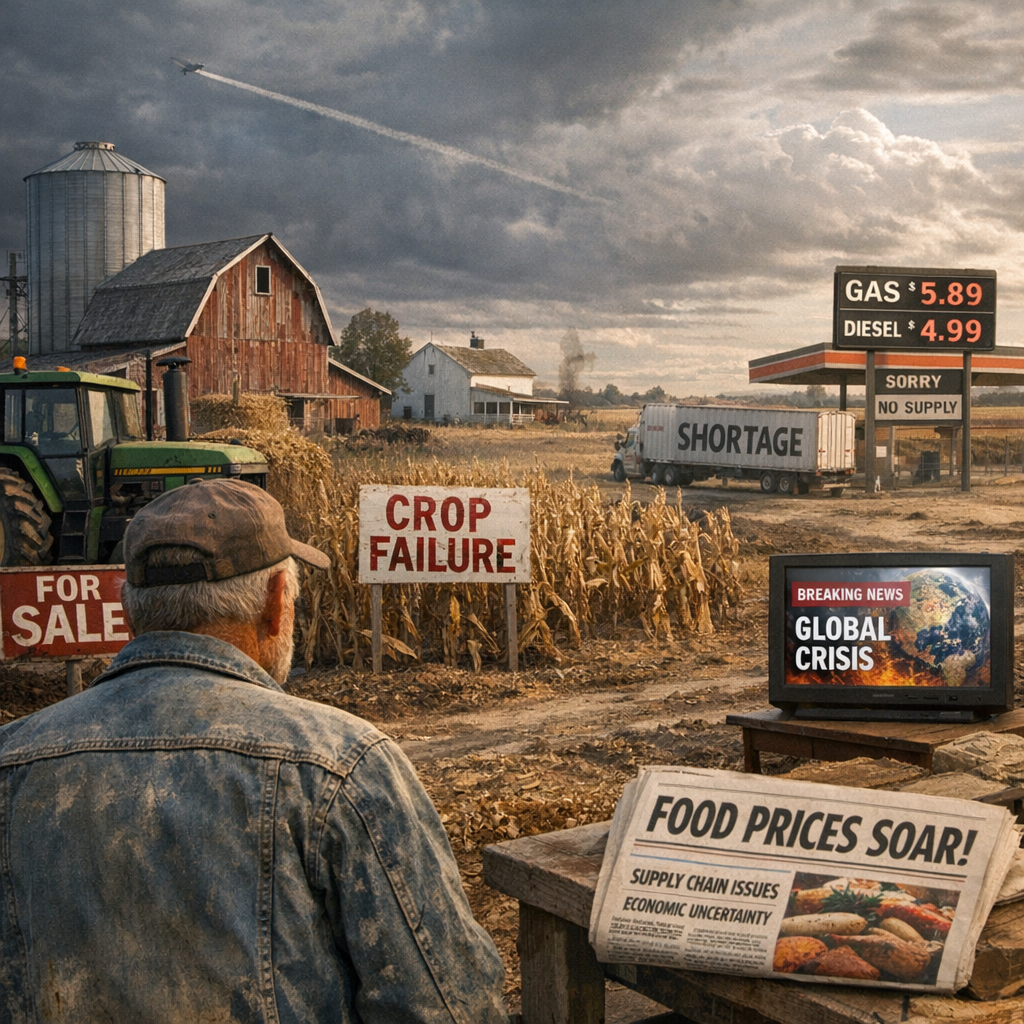
In our interconnected world, global events often have far-reaching effects that extend into rural communities, including our own in Lanesboro, Minnesota. Understanding these impacts is crucial for fostering resilience and sustainability.
Supply Chain Disruptions
Conflicts in regions such as the Middle East can disrupt global supply chains, affecting the availability and cost of essential goods. For instance, interruptions in fertilizer shipments can lead to increased prices, posing challenges for local farmers who rely on these inputs for crop production. Such disruptions highlight the vulnerabilities in our food systems and the need for adaptive practices to maintain agricultural productivity.
Climate Change Challenges
Climate change presents significant challenges to rural areas worldwide. Extreme weather events, such as droughts and floods, can devastate crops and livestock, leading to economic hardships for farmers. In developing countries, agriculture absorbs up to 80% of all direct impacts from droughts, underscoring the sector’s vulnerability. While Lanesboro may not face the same severity, the increasing frequency of such events globally serves as a reminder of the importance of climate-resilient agricultural practices.
Health Crises
Global health crises, including disease outbreaks, often disproportionately affect marginalized and rural communities. Limited access to healthcare services and resources can exacerbate the impact of such crises. For example, during recent health emergencies, rural areas have faced challenges in accessing vaccines and medical supplies, highlighting the need for improved healthcare infrastructure and preparedness in these regions.
Economic Implications
Global economic trends, such as trade policies and market fluctuations, can influence local economies. Changes in international demand for agricultural products can affect prices and income for farmers in Lanesboro. Additionally, shifts in global energy markets can impact fuel costs, influencing both farming operations and household expenses.
Building Resilience
To mitigate these global impacts, rural communities can focus on building resilience through various strategies:
- Diversifying Crops and Income Sources: Reducing dependence on a single crop or income stream can buffer against market and climate fluctuations.
- Investing in Sustainable Practices: Implementing sustainable farming techniques can enhance productivity and environmental health.
- Strengthening Local Supply Chains: Developing local markets and supply networks can reduce reliance on global systems and increase community self-sufficiency.
- Enhancing Healthcare Access: Improving healthcare infrastructure ensures better preparedness and response to health crises.
By understanding and addressing the ripple effects of global events, communities like Lanesboro can better navigate challenges and seize opportunities in an ever-changing world.