

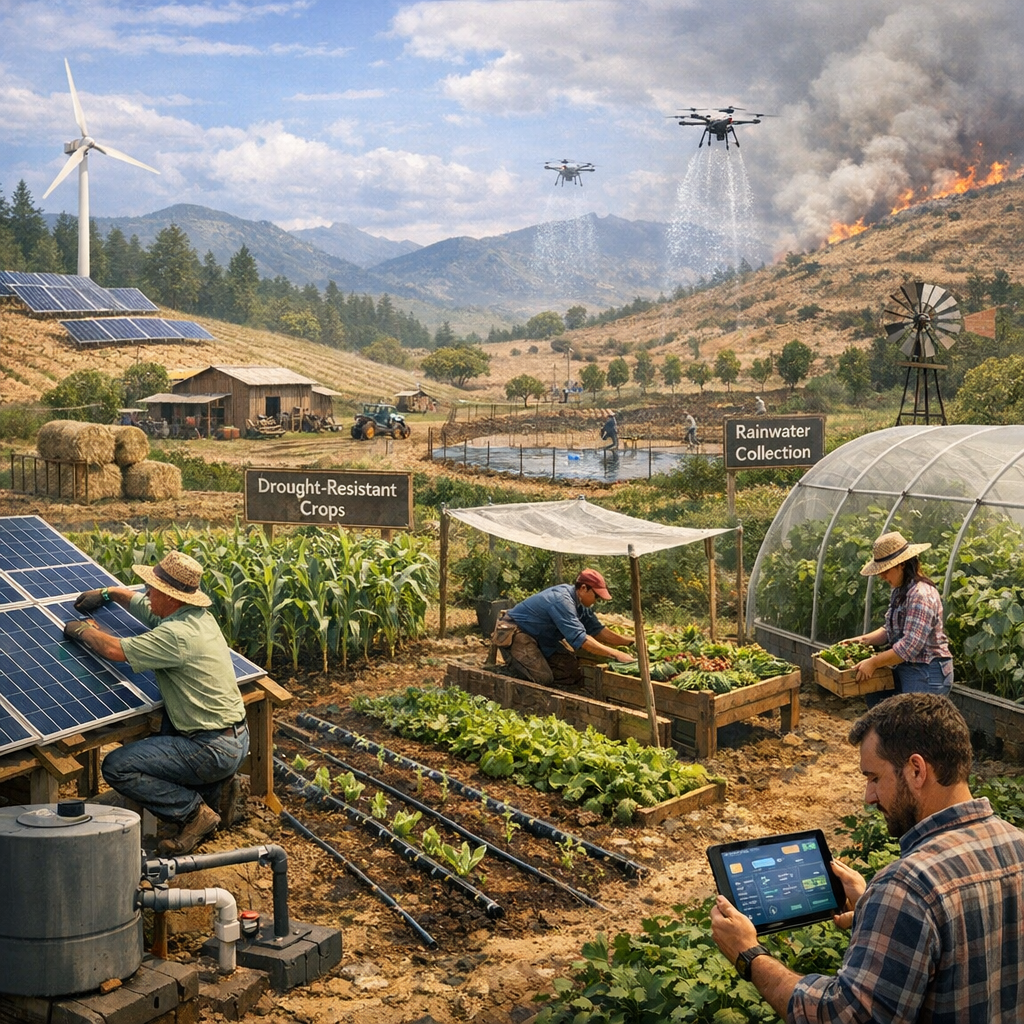
In our interconnected world, global events often have far-reaching effects that extend into rural communities, including our own in Lanesboro, Minnesota. Understanding these impacts is crucial for fostering resilience and sustainability.
Climate Change and Agriculture
Climate change poses significant challenges to agriculture, a cornerstone of rural economies. Altered rainfall patterns and increased frequency of extreme weather events can disrupt crop yields and livestock health. For instance, prolonged droughts have led to substantial declines in crop production in various regions, affecting global food supply chains and, consequently, local markets.
Global Conflicts and Supply Chains
International conflicts can disrupt supply chains, leading to shortages and increased prices for essential goods. The International Fund for Agricultural Development (IFAD) has highlighted how conflicts in regions like the Middle East create severe disruptions for small-scale farmers worldwide, exposing vulnerabilities in global food systems. Such disruptions can result in higher costs for fertilizers and other agricultural inputs, directly impacting farmers in rural areas.
Health Crises and Rural Vulnerability
Global health crises, such as pandemics, often disproportionately affect rural communities. Limited healthcare infrastructure and resources can exacerbate the spread of diseases and hinder effective responses. Additionally, economic downturns resulting from health crises can lead to decreased demand for agricultural products, affecting the livelihoods of rural residents.
Building Resilience in Rural Communities
To mitigate these challenges, it’s essential for rural communities to invest in adaptive practices and infrastructure. Diversifying crops, adopting sustainable farming methods, and enhancing local supply chains can reduce dependency on global markets. Moreover, strengthening healthcare systems and fostering community networks can improve responses to health crises.
By staying informed about global events and proactively addressing their potential impacts, rural communities like Lanesboro can enhance their resilience and continue to thrive in an ever-changing world.