

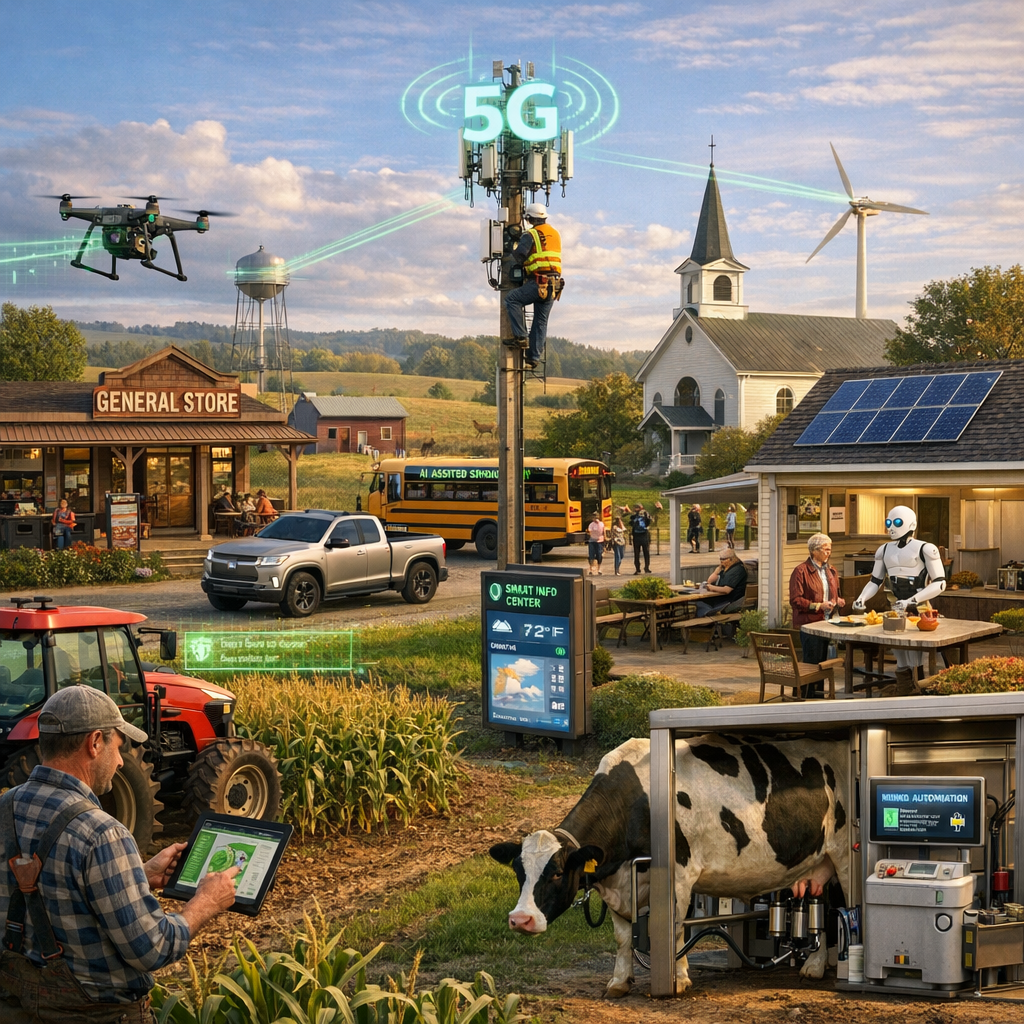
Artificial Intelligence (AI) is no longer confined to tech hubs; it’s making significant inroads into rural areas, including communities like Lanesboro, Minnesota. This technological shift presents both opportunities and challenges for residents and local businesses.
AI Startups in Minnesota
Minnesota has become a fertile ground for AI innovation. Companies like Metic.ai are leading the charge, offering generative AI services tailored to various industries, including healthcare and manufacturing. Their expertise in delivering AI solutions has garnered trust from businesses across the state, emphasizing measurable results and a commitment to client success.
Another notable player is Blank Metal, based in Minneapolis. This startup focuses on providing AI-driven software solutions, aiming to streamline operations and enhance productivity for their clients. Their approach underscores the growing demand for AI applications in diverse sectors.
Impact on Rural Communities
The expansion of AI technologies into rural areas brings a mix of benefits and concerns. On the positive side, AI can revolutionize sectors like agriculture, healthcare, and education. For instance, AI-driven tools can assist farmers in making data-informed decisions, leading to increased crop yields and sustainable practices. In healthcare, AI can bridge gaps by providing diagnostic tools and telemedicine services, addressing the shortage of medical professionals in rural regions.
However, the establishment of AI data centers in rural areas has raised some issues. These centers require substantial energy and water resources, which can strain local infrastructure. Additionally, the influx of such facilities may lead to increased utility costs for residents. It’s crucial for communities to weigh the economic benefits against potential environmental and social impacts.
Looking Ahead
As AI continues to permeate various facets of life, rural communities like Lanesboro have the opportunity to harness its potential while addressing associated challenges. Collaboration between local governments, businesses, and residents will be key in ensuring that AI integration aligns with community values and needs. By proactively engaging with this technological evolution, rural Minnesota can position itself as a leader in the responsible and beneficial use of AI.